

Food does more than satisfy hunger. Every meal provides the body with nutrients that support energy, repair, immunity, brain function, bone strength, hormone balance and the normal working of our organs. This is why the idea of “food as medicine” is so powerful. It reminds us that what we eat regularly can either support the body or place additional strain on it. Food should not be viewed as a substitute for necessary medical care, but good nutrition remains one of the most practical ways to support long-term health and wellbeing.
The body is constantly rebuilding itself. Bones are renewed, cells are repaired, hormones are produced, the brain requires fuel, and the immune system is continuously responding to the environment around us. These processes depend on vitamins, minerals, proteins, healthy fats, carbohydrates, fibre and many other naturally occurring compounds found in food. When the diet is varied and balanced, the body has a better supply of the materials it needs to function effectively.
Seeds are a good example of how small foods can provide significant nutritional value. Pumpkin seeds contain protein, magnesium, zinc, iron and healthy fats. Magnesium contributes to normal muscle and nerve function and is also important for maintaining healthy bones. Zinc supports normal immune function and contributes to many processes involved in growth and tissue repair. This does not mean that eating pumpkin seeds alone will prevent bone problems, but incorporating nutrient-dense foods such as these into a balanced diet can help provide nutrients that the body requires.
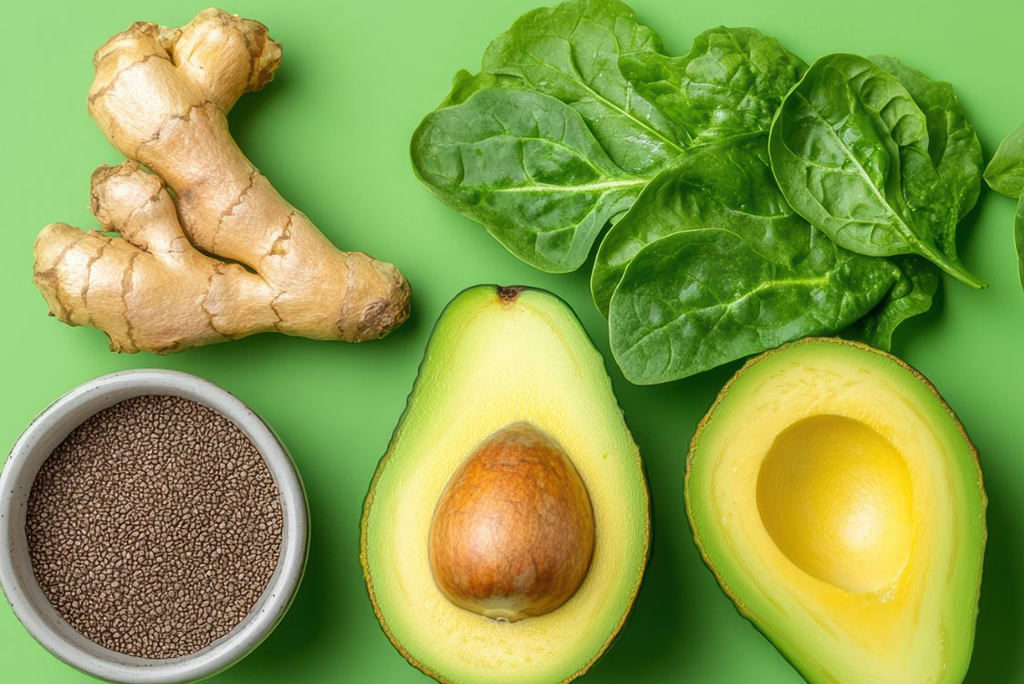
Chia seeds are another nutrient-rich food. They provide fibre, plant-based omega-3 fatty acids, protein and several important minerals. Fibre is particularly valuable because it supports healthy digestion and can help with the maintenance of normal blood cholesterol and blood glucose levels as part of an appropriate diet. The omega-3 fatty acid found in chia seeds is mainly alpha-linolenic acid, which is different from the EPA and DHA commonly found in oily fish. Both have a place in nutrition, although they are used differently by the body.
The connection between nutrition and brain health is especially important. The brain is highly active and requires a constant supply of nutrients and energy. Healthy fats, B vitamins, iron, iodine, zinc, magnesium and other nutrients all contribute in different ways to normal neurological function. Omega-3 fatty acids, particularly DHA, are important structural components of the brain. Adequate nutrition can therefore support concentration, energy and normal cognitive function, although no single food should be described as a cure for memory difficulties or neurological conditions.
Black sesame seeds also contain useful nutrients, including calcium, magnesium, iron, copper, healthy fats and plant compounds with antioxidant properties. These nutrients support different functions throughout the body. Calcium and magnesium contribute to bone health, while iron plays an important role in the transport of oxygen. Sesame seeds can therefore be a useful addition to a varied diet, particularly when combined with other nutrient-rich foods.
When we speak about food supporting the eyes, the same principle applies. Vision depends on several nutrients, including vitamin A, zinc, vitamin C, vitamin E, lutein and zeaxanthin. These are found across a wide variety of foods such as leafy green vegetables, eggs, colourful fruits and vegetables, nuts and seeds. Rather than expecting one particular food to protect the eyes, it is more helpful to think about the overall quality and variety of the diet.
This is one of the most important principles in nutritional therapy. We should not reduce health to statements such as “eat this food for your brain” or “eat that food for your bones”. The body does not function in isolated compartments. Nutrients work together. Magnesium may support hundreds of processes in the body. Protein is needed in muscles, skin, enzymes and many other tissues. Healthy fats contribute to cell membranes, hormones and brain function. The value of a food therefore goes far beyond one organ.
Food can also influence health through what we choose to reduce. A diet that is consistently high in highly processed foods, excessive added sugars, salt and certain unhealthy fats may contribute to increased risk of some chronic health conditions when combined with other lifestyle and genetic factors. Replacing some of these foods with vegetables, fruits, whole grains, legumes, nuts, seeds, fish and other minimally processed foods can improve the overall nutritional quality of the diet.
This does not mean that there is one perfect diet for everybody. Nutritional needs can change according to age, activity level, health status, pregnancy, medication use, allergies, cultural preferences and individual circumstances. Someone managing diabetes may require a different nutritional strategy from someone experiencing iron deficiency, digestive difficulties or unwanted weight loss. This is where personalised nutritional support becomes important.
A Nutritional Therapy Practitioner considers more than individual foods. The aim is to understand the person’s eating patterns, lifestyle, health history, symptoms and nutritional needs before recommending suitable changes. In some situations, dietary changes may be sufficient. In others, carefully selected supplements may be considered where appropriate. Good practice also means recognising when symptoms require medical investigation and referring the client to a doctor or another qualified healthcare professional.
The phrase “food as medicine” should therefore be understood with balance. Food cannot replace emergency treatment, surgery, prescribed medication or specialist medical care when these are necessary. What food can do is provide the body with essential nutrients, support normal physiological processes and form an important part of prevention, recovery and long-term health management.
Perhaps the most powerful aspect of food is that it is something we interact with every day. Health is rarely shaped by one meal. It is influenced by patterns repeated over months and years. A nutritious breakfast today will not transform health overnight, just as one less nutritious meal will not destroy it. What matters is the direction of our everyday choices.
Food is information for the body. It supplies the materials from which the body builds, repairs and functions. When we begin to understand food in this way, eating becomes more than simply filling the stomach. It becomes an opportunity to nourish the body deliberately.
Food should be enjoyed, but it should also be respected for the role it plays in our wellbeing. By choosing a wide variety of nutrient-rich foods and seeking personalised guidance where necessary, we can use nutrition as one of the strongest foundations for supporting better health.
Food is not a replacement for medicine when medicine is needed, but the right food can be an important part of how we care for the body every single day.